
Comparison between Credit Cards and Personal Loans: Which is the Best Option?
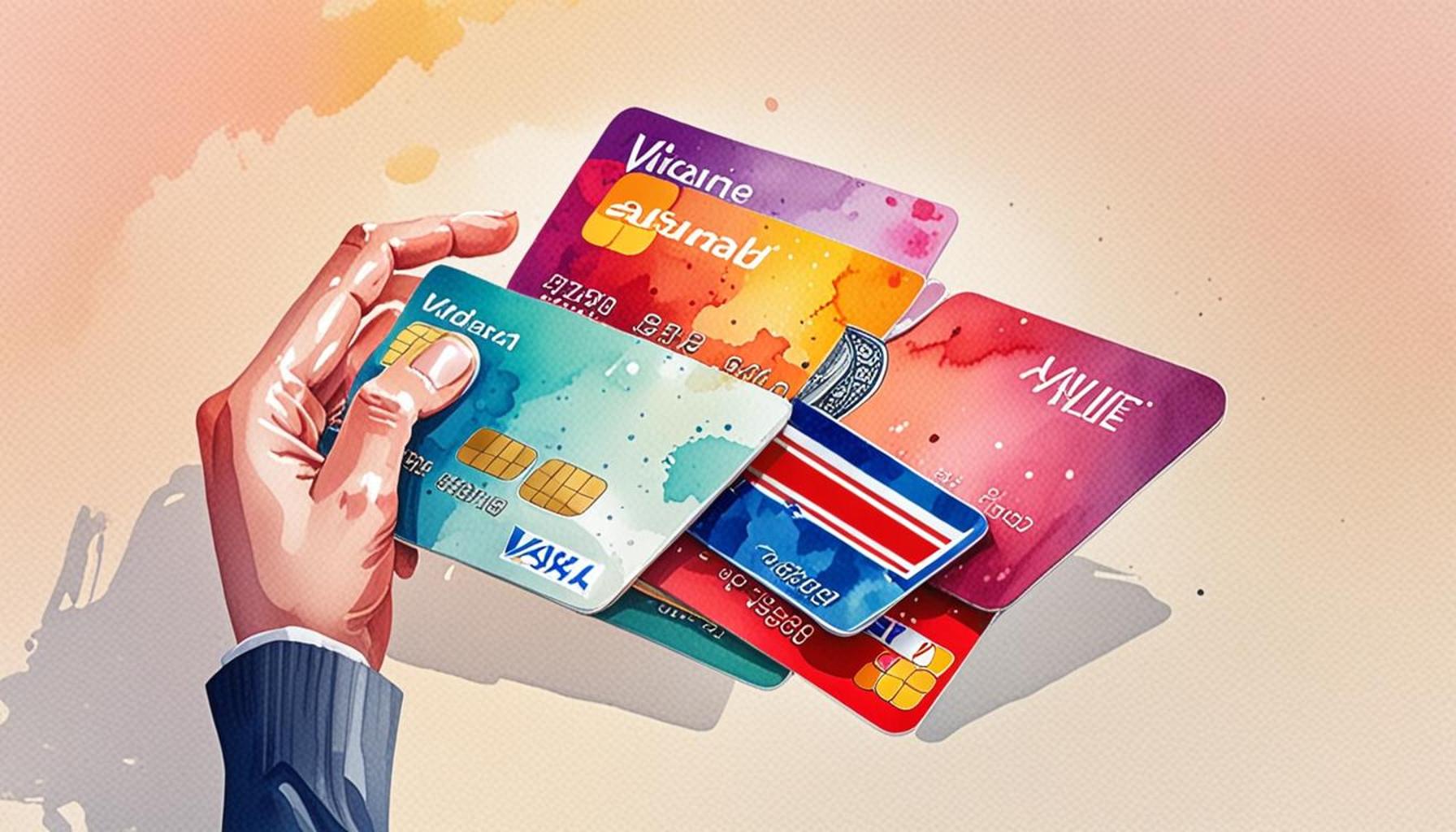
Understanding Credit Cards and Personal Loans
When individuals encounter situations that necessitate additional funds, credit cards and personal loans often emerge as two primary options. Choosing the most suitable financing method can have profound implications for one’s financial health, influencing factors such as budgeting, credit scores, and long-term debt management.
Features of Credit Cards
- Revolving Credit: Credit cards provide revolving credit, which allows users to access funds repeatedly, as long as they remain within the credit limit. This flexibility can be beneficial for managing ongoing expenses, such as groceries or unexpected bills.
- Rewards Programs: Many credit cards come with rewards programs that offer points for every dollar spent, which can be redeemed for travel, merchandise, or cash back. For instance, travel rewards cards are popular among frequent travelers who can earn substantial points that contribute toward flights or hotel stays.
- Interest Rates: A critical factor to consider is that if balances are not paid in full each month, credit cards typically incur high-interest rates, often ranging from 15% to over 25%. This can lead to a mounting debt burden over time.
Characteristics of Personal Loans
- Fixed Loan Amount: Personal loans provide a fixed loan amount with a predetermined repayment schedule. Borrowers receive a lump sum upfront, which can be utilized for specific purposes, such as consolidating debt or financing major purchases.
- Interest Rates: Generally, personal loans offer lower interest rates compared to credit cards, particularly for borrowers with good credit histories. Average rates can vary from 6% to 36%, depending on creditworthiness and the lender’s criteria.
- Ideal Use Cases: Personal loans are particularly advantageous for one-time large expenses like medical bills, home improvements, or major life events such as weddings, allowing individuals to manage these costs more effectively without accruing high-interest debt.
Making an Informed Decision
Deciding between credit cards and personal loans requires a careful assessment of several factors. Consider your financial needs: If you require ongoing access to funds for everyday expenses, a credit card may be preferred. Conversely, if you need to finance a large purchase with a clear repayment plan, a personal loan might be more appropriate.
Evaluate your credit history as well; individuals with strong credit scores will likely benefit from lower interest rates on personal loans. Additionally, assess your repayment capabilities. Monthly payments for personal loans are fixed and predictable, making budgeting easier. In contrast, credit card payments can vary significantly based on spending habits and payment practices.
In conclusion, both credit cards and personal loans serve distinct roles in financial management. Understanding their unique features and implications is essential for aligning your choice with your financial goals and ensuring a sustainable approach to debt management.
DISCOVER MORE: Click here for the complete guide
Analyzing the Pros and Cons
To make an informed decision between credit cards and personal loans, it’s essential to analyze the pros and cons of each option. Understanding these will provide a clearer picture of which financing method aligns best with your individual financial situation and goals.
Advantages of Credit Cards
- Convenience: Credit cards offer unmatched convenience with the ability to make purchases at millions of locations, both online and in stores. This ease of access is particularly beneficial for emergency situations.
- Building Credit History: Regular use of a credit card and timely payments can positively impact your credit score. Responsible management can enhance your creditworthiness over time, making it easier to secure future financing.
- Introductory Offers: Many credit card issuers provide enticing introductory offers, such as 0% APR on new purchases or balance transfers for a limited time. This can save borrowers a significant amount on interest if managed correctly.
Drawbacks of Credit Cards
- High-Interest Rates: One of the significant downsides of credit cards is the potential for high-interest rates. Failing to pay the balance in full can result in a quick accumulation of debt, making it challenging to pay off over time.
- Potential for Overspending: The ease of swiping a credit card can lead to overspending. Consumers may find it easier to purchase items on credit rather than save for them, which can lead to financial strain.
- Fees: Credit cards often come with various fees, including annual fees, late payment charges, and foreign transaction fees. These can add to the overall cost of borrowing and should be factored into financial planning.
Benefits of Personal Loans
- Structured Repayment: Personal loans come with a clear repayment structure, usually consisting of fixed monthly payments over a set term. This predictability can aid in budgeting and financial planning.
- Lower Total Cost: With typically lower interest rates compared to credit cards, personal loans can be less expensive over time, especially for larger amounts. This is especially true for borrowers with strong credit histories.
- Debt Consolidation: Personal loans are often utilized for debt consolidation, allowing borrowers to combine multiple high-interest debts into a single, lower-interest repayment plan. This can facilitate better financial management.
Disadvantages of Personal Loans
- This might be extended: Obtaining a personal loan can be more complex than acquiring a credit card, often involving a lengthy application process and a thorough credit check that may not be as rigorous for credit card applications.
- Lack of Flexibility: Once a personal loan is taken out, funds are generally disbursed as a lump sum. Unlike credit cards, personal loans do not provide access to revolving credit, which may limit financial maneuverability for unforeseen expenses.
- Possible Origination Fees: Some lenders charge an origination fee for personal loans, which can reduce the amount of money received upfront and increase the overall cost of borrowing.
In conclusion, both credit cards and personal loans have distinct advantages and disadvantages that warrant careful consideration. Understanding these aspects is crucial for making a decision that aligns with your financial needs while fostering long-term fiscal wellness.
DON’T MISS OUT: Click here for essential tips
Understanding Your Financial Goals
While the advantages and disadvantages of credit cards and personal loans provide a framework for comparison, it is equally essential to evaluate your personal financial goals and circumstances. Your decision will heavily depend on how either option aligns with your immediate needs and long-term financial perspective.
Use Cases for Credit Cards
- Everyday Spending: Credit cards are ideal for daily purchases such as groceries, gas, and dining out. Many credit cards offer cashback, rewards, or points for these everyday expenses. Utilizing a credit card for regular purchases can maximize these benefits if you pay the balance in full each month.
- Short-Term Financing: If an unexpected expense arises, such as a medical bill or car repair, credit cards can serve as a quick source of funding. Provided you can repay the balance promptly, this avenue can help you avoid taking on high-interest debt.
- Building Credit Quickly: For individuals with limited credit history, using a credit card responsibly can expedite the process of establishing a favorable credit score. This is particularly beneficial for young adults or those newly entering the credit market.
Situations Suitable for Personal Loans
- Large Purchases and Major Expenses: Personal loans are a better fit for financing significant expenses, such as home renovations, weddings, or medical procedures, where the total cost may exceed what a credit card limit allows.
- Debt Consolidation: As previously mentioned, personal loans can consolidate multiple debts into a single loan, simplifying monthly payments and potentially saving on interest. This can improve overall financial health by reducing the number of creditors and payments to manage.
- Setting a Budget: For individuals who struggle with impulse spending, the structured repayment plan of a personal loan can help enforce discipline, allowing borrowers to budget more effectively without the temptation of revolving credit.
Long-Term Financial Health
Beyond the immediate needs, considering the long-term implications of your choice is vital. Credit cards can contribute to your credit profile positively through responsible use, but they also carry a risk of accumulating unmanageable debt if not handled carefully. Conversely, personal loans might lead to a more structured and manageable repayment strategy, which can stabilize your financial position over time.
Impact of Interest Rates and Fees
Interest rates are a crucial factor in evaluating both credit cards and personal loans. Credit cards may employ variable interest rates, which can increase significantly over time. According to recent data from the Consumer Financial Protection Bureau, the average APR for credit cards was around 16.3% as of 2023, while personal loans typically offer lower rates, often in the range of 6% to 36%, depending on creditworthiness and lender policies. Borrowers should factor in their ability to manage and compare these interest rates alongside any fees associated with each option.
It is prudent to conduct a thorough analysis by reviewing personal finances, evaluating potential loan options, and understanding the terms and conditions of each alternative. This assessment will empower individuals to make a more strategic choice that aligns with their financial aspirations while mitigating potential risks.
DISCOVER MORE: Click here for tips on canceling cards without harming your credit score
Conclusion
In conclusion, the choice between credit cards and personal loans ultimately hinges on your individual financial circumstances and goals. Each option presents unique advantages and challenges that cater to different needs. Credit cards are suited for everyday expenditures and provide flexibility in managing short-term financial obligations, particularly beneficial if you prioritize rewards and building your credit score. However, they come with the risk of accumulating high-interest debt if balances are not managed effectively.
On the other hand, personal loans offer a structured repayment plan that is ideal for larger expenses and debt consolidation, allowing you to consolidate multiple financial commitments into a single monthly payment. This can help in maintaining better control over your finances and provide relief from high-interest credit card debt. The lower interest rates generally associated with personal loans also make them a compelling choice for significant borrowings.
Ultimately, before deciding, it is crucial to conduct a comprehensive evaluation of your financial health, spending habits, and future objectives. Determine which option aligns best with your needs, whether it be the flexibility of credit cards or the structured approach of personal loans. By making an informed decision, you can better navigate your financial journey, establish healthy credit habits, and achieve your long-term financial aspirations.
Related posts:
How to Apply for Citizens Private Client World Elite Mastercard
Investing Responsibly: The Role of Credit Cards in Building Credit
How to Apply for US Bank FlexPerks Gold American Express Credit Card
How to Apply for an American Express Gold Credit Card A Step-by-Step Guide
How to Apply for Bank of America Customized Cash Rewards Credit Card
Monthly Expenses: What You Should Know Before Using Your Credit Card

Linda Carter is a writer and financial expert specializing in personal finance and financial planning. With extensive experience helping individuals achieve financial stability and make informed decisions, Linda shares her knowledge on the our platform. Her goal is to empower readers with practical advice and strategies for financial success.