Menu

The Influence of Paying Bills on Time on Credit Score

Paying bills on time is crucial for maintaining a healthy credit score, directly impacting loan approvals, interest rates, and rental applications. Consistent, timely payments enhance your creditworthiness and financial opportunities. Adopting strategies like automated payments and regular credit monitoring can further support positive credit habits and long-term financial security.


How Student Debt Can Impact Your Credit and Tips for Managing It

Student debt significantly affects credit scores and financial stability for millions of borrowers. Understanding the relationship between debt management, payment history, and credit health is crucial. Proactive strategies, such as timely payments and exploring repayment options, can help mitigate risks and promote a solid credit profile for long-term financial success.

How Debt Negotiation Can Positively Impact Your Credit

Debt negotiation provides individuals facing financial challenges with a strategic option to lower total debt and improve their credit. By negotiating better terms, borrowers can enhance their creditworthiness, reduce stress, and foster a stable financial future. Successful outcomes may lead to significant credit score improvements and long-term economic health.

Effective Strategies to Increase Your Credit Score in 2024

Achieving a strong credit score in 2024 is vital for securing favorable loan terms and financial opportunities. Key strategies include monitoring credit reports, establishing consistent payment habits, managing credit utilization, diversifying credit types, and utilizing innovative credit-building tools. Stay informed and proactive to boost your creditworthiness effectively.

The Role of Personal Loans in Building a Good Credit History

Building a strong credit history is essential for accessing financial opportunities. Personal loans enhance credit scores by encouraging timely payments, diversifying credit types, and aiding in debt consolidation. When managed responsibly, these loans serve as effective tools for improving creditworthiness and securing better financial terms in the future.

How Responsible Use of a Credit Card Can Improve Your Financial History

Responsible credit card usage is essential for improving your financial history and credit score. Timely payments, managing credit utilization, and maintaining a diverse credit mix can unlock better loan terms, lower interest rates, and greater financial opportunities. By strategically managing credit, individuals can build a solid foundation for future financial success.

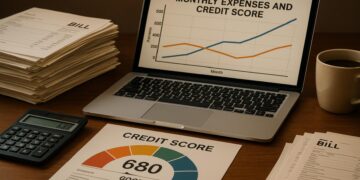
The Relationship between Monthly Expenses and Your Credit Score

Managing monthly expenses effectively is crucial for enhancing your credit score. Leveraging financial technologies, like budgeting apps and automated payments, allows users to track spending and maintain a favorable credit utilization ratio. Embracing these tools fosters better financial habits, leading to improved creditworthiness and future opportunities.

Investment Strategies to Enhance Your Credit

Explore innovative investment strategies that enhance your credit through the integration of technology in finance. Discover how robo-advisors, cryptocurrency, and real estate crowdfunding can help you build wealth while improving your creditworthiness. Embrace financial literacy to navigate the evolving landscape and secure better economic opportunities.

How to Manage Expenses to Avoid Debt and Protect Your Credit

This article explores innovative digital tools and strategies for managing expenses effectively to avoid debt and protect your credit. By leveraging real-time tracking, automated savings, and AI-driven insights, individuals can achieve financial stability and empower themselves for a debt-free future. Embracing technology enhances financial literacy and encourages informed decisions.

Impact of Unexpected Expenses on Your Credit: What to Do?

Unexpected expenses can disrupt your financial stability and adversely affect your credit score. This article discusses the impact of unforeseen costs, like medical emergencies and job loss, while offering proactive strategies, such as budgeting apps and emergency funds, to maintain credit health amidst financial uncertainty.